
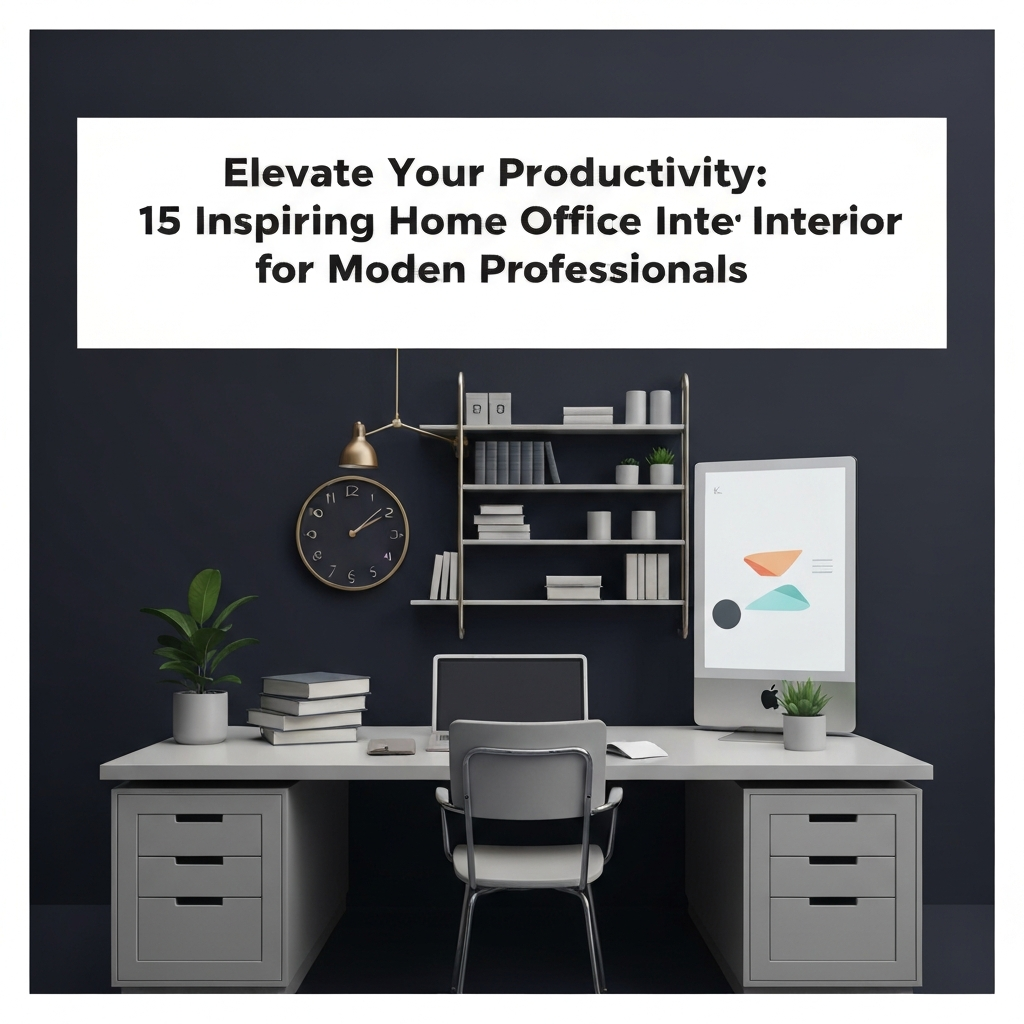
Elevate Your Productivity: 15 Inspiring Home Office Interior Ideas for Modern Professionals
Creating Your Perfect Workspace: Why Home Office Design Matters
In the modern era of flexible work, the home office has evolved from an occasional desk corner to the epicenter of our professional lives. Statistics indicate that productivity can soar by as much as 20% when an environment is optimized for focus, comfort, and inspiration. Your workspace is more than just furniture; it is an extension of your professional identity and a crucial factor in your mental well-being.
Designing a home office requires a delicate balance between functionality and aesthetics. Whether you have a dedicated room or a small nook, the goal is to create an area that minimizes distractions, promotes ergonomic health, and sparks creativity. In this guide, we will explore comprehensive strategies to transform your space into a high-performance sanctuary.
Essential Foundations for Any Home Office
Before diving into decor, you must address the core elements that define a workspace. Neglecting these foundations often leads to fatigue, eye strain, and physical discomfort.
The Ergonomic Imperative
Ergonomics should be your top priority. A high-quality chair with lumbar support is the most critical investment you can make. When selecting a desk, aim for a height that allows your elbows to rest at a 90-degree angle. Incorporating a sit-stand desk is a fantastic way to boost circulation and energy levels throughout the workday.
Mastering Lighting
Natural light is the gold standard for home offices. Position your desk perpendicular to windows to reduce glare on your screen. If natural light is limited, implement a layered lighting scheme:
- Ambient lighting for general room illumination.
- Task lighting via a desk lamp to reduce eye strain during detailed work.
- Accent lighting to add warmth and character to bookshelves or artwork.
Design Aesthetics: Choosing Your Style
Your environment dictates your mood. Choose an interior design style that aligns with your personality and the type of work you perform.
Minimalism for Maximum Focus
A minimalist office is characterized by clean lines, a monochromatic color palette, and hidden storage. By removing physical clutter, you clear mental space, allowing for deeper concentration. Focus on multi-functional furniture and hidden cable management solutions to keep surfaces pristine.
Biophilic Design for Serenity
Incorporating nature into the indoors, or biophilic design, is proven to reduce stress and boost cognitive function. Adding indoor plants like Snake Plants or Pothos can improve air quality and provide a calming aesthetic. Using natural materials such as wood, bamboo, and stone further grounds the space.
Optimizing Space and Functionality
Many professionals struggle with limited square footage. However, small spaces often encourage more thoughtful organization.
Vertical Storage Solutions
When floor space is scarce, go vertical. Floating shelves and tall, narrow bookcases utilize unused wall space efficiently. Consider wall-mounted pegboards for keeping small supplies accessible yet out of the way.
Defining Zones
If your office is located in a common area, use visual cues to create boundaries. Rugs, room dividers, or distinct paint colors can signal that the “work zone” is separate from the “living zone,” aiding in better work-life balance.
Comparison of Desk Types for Different Needs
| Desk Type | Best For | Key Advantage |
|---|---|---|
| Standing Desk | Health-conscious professionals | Improves posture and circulation |
| L-Shaped Desk | Multi-monitor users | Provides maximum surface area |
| Floating/Wall-mounted | Minimalists/Small rooms | Saves valuable floor space |
| Executive Desk | Design-focused professionals | Offers ample storage and authority |
Technology and Connectivity Integration
A beautiful office is ineffective if it lacks technical reliability. Ensure your Wi-Fi signal is strong in your workspace, perhaps by investing in a mesh system. Invest in cable management sleeves, clips, and under-desk trays to prevent the dreaded “cord chaos” that ruins the aesthetic of an otherwise perfect room.
Frequently Asked Questions
How can I stay productive in a small apartment office?
Focus on vertical storage and multi-functional furniture, such as a drop-leaf desk or a chair that transitions seamlessly from office to dining seating. Keeping your desk clean at the end of each day also makes a massive difference in how you feel the next morning.
Is it better to work near a window?
Yes, natural light is excellent for productivity and mood regulation. However, avoid facing your screen directly toward the window to prevent glare, and ensure you have blinds or curtains to manage light intensity during peak hours.
What are the best indoor plants for a home office?
Low-maintenance plants like Snake Plants, ZZ Plants, and Pothos are ideal. They thrive in varying light conditions and require minimal watering, making them perfect for busy professionals.
How do I separate my work life from home life?
Use physical triggers, such as shutting the door, closing your laptop, or changing your lighting, to mark the end of your workday. Creating a “shutdown ritual” helps signal to your brain that it is time to disconnect.
What is the most important piece of furniture to buy?
An ergonomic chair is non-negotiable. Because you likely spend hours in it daily, investing in high-quality lumbar support and adjustable features will prevent chronic back and neck issues.
Conclusion: Crafting Your Workspace for Success
Designing the ideal home office is an investment in your career and your health. By prioritizing ergonomics, optimizing your layout, and infusing your personality into the decor, you create a space that empowers you to do your best work. Start with the basics—invest in a great chair and lighting—and build out your sanctuary from there.
Remember, your workspace should be a place that energizes you, not one that drains you. Take the time to curate an environment that supports your unique workflow. Are you ready to level up your productivity? Start by decluttering your desk today or rearranging your furniture for better flow.