
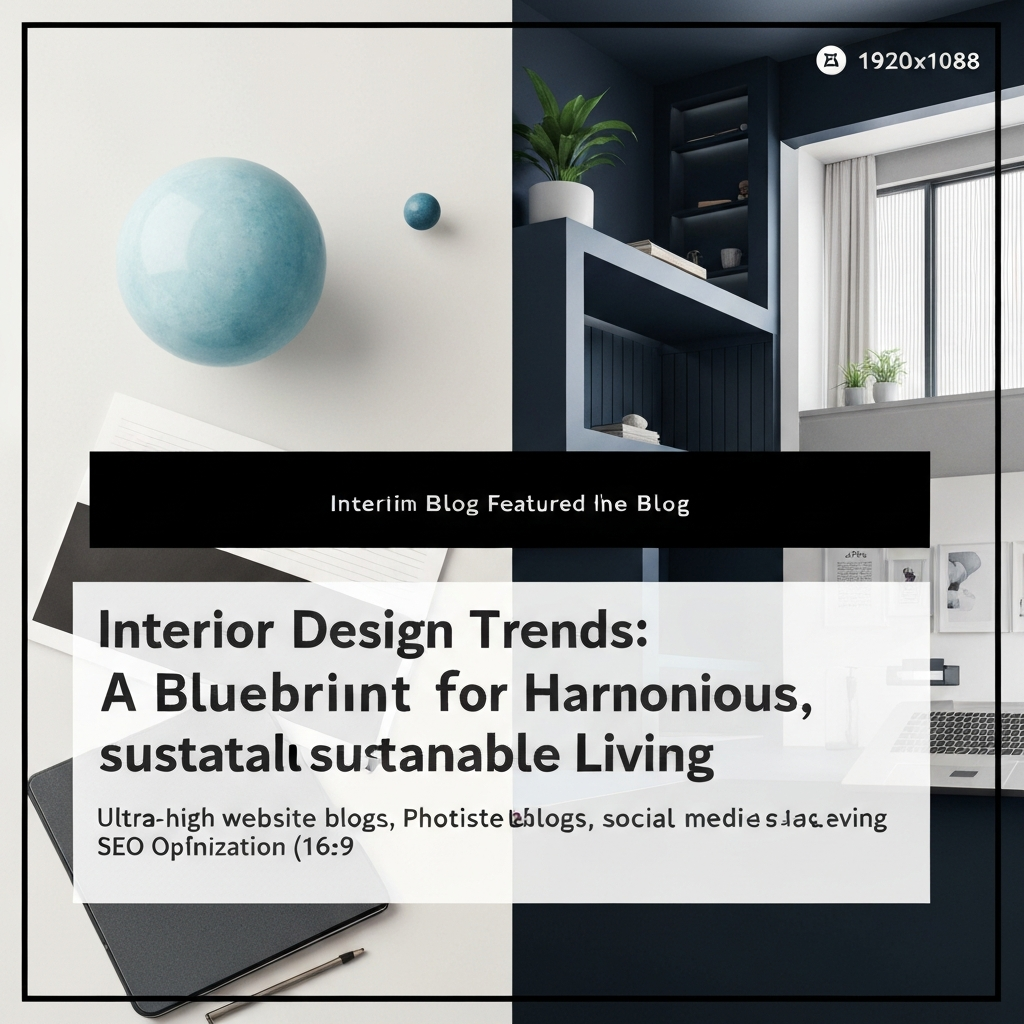
Interior Design Trends 2026: A Blueprint for Harmonious, Sustainable Living
The Future of Home: Navigating Interior Design Trends 2026
As we look toward 2026, the philosophy behind interior design is undergoing a profound transformation. Gone are the days of sterile, showroom-perfect spaces. Instead, the upcoming year is defined by a blend of raw authenticity, technological integration, and a deep, non-negotiable commitment to planetary health. Whether you are planning a complete renovation or simply looking to refresh your living space, understanding these emerging trends is key to creating a home that feels both current and timeless.
Sustainable Sophistication: Eco-Conscious Design
Sustainability is no longer an optional add-on; it is the foundation of modern design. By 2026, homeowners and designers alike are prioritizing circularity—choosing materials that can be reused, recycled, or returned to the earth without harm.
The Rise of Regenerative Materials
Expect to see more materials derived from waste streams. Think furniture crafted from ocean plastics, textiles made from mushroom leather (mycelium), and flooring utilizing agricultural byproducts like hemp and coconut husks.
Biophilic Design 2.0
Biophilia—the human instinct to connect with nature—is evolving. While previous trends focused on houseplant collections, 2026 takes it further. We are seeing integrated living walls, interior water features that double as white-noise machines, and the strategic use of skylights to mimic natural circadian lighting cycles.
The Sensory Home: Texture and Atmosphere
In 2026, design is about how a room feels, not just how it looks. We are moving away from the smooth, high-gloss finishes of the early 2020s toward tactile environments that engage the senses.
- Organic Textures: Rough-hewn stone, lime wash paints, and heavy linen upholstery add depth and warmth to living areas.
- Tactile Contrast: Combining smooth ceramics with plush velvet or weathered wood creates a dynamic, layered aesthetic.
- Acoustic Comfort: With more people working from home, sound-dampening design elements like felt wall panels and heavy, floor-to-ceiling drapery are becoming essential decor features.
Smart Integration: The Invisible Tech Trend
Technology in 2026 is designed to disappear. The goal is to maximize the benefits of automation without sacrificing the human-centered nature of a room.
| Technology | Design Application |
|---|---|
| Smart Lighting | Adaptive systems that shift color temperature based on the time of day. |
| Hidden Charging | Wireless charging pads built directly into stone countertops and wooden surfaces. |
| Climate Control | AI-driven HVAC systems that learn personal preferences per zone. |
Color Palettes: Earthy Tones and Deep Hues
Color palettes in 2026 are grounded and serene. We are seeing a move toward what experts call “New Earth Tones.”
Warm Neutrals and Rich Browns
Creamy beiges, soft terracottas, and deep chocolate browns are replacing cool grays. These colors provide a warm, cocooning effect that is essential for personal well-being.
Bold Accents
While the overall palette is muted, bold, nature-inspired accents—such as deep forest green, moss, and muted midnight blue—provide much-needed depth and drama to rooms.
Functional Flexibility: The Multi-Purpose Space
Space remains a premium, making flexibility the most important feature of any room. Furniture in 2026 is designed to serve multiple masters.
- Modular Seating: Sofas that can be reconfigured based on whether you are hosting a party or relaxing for a movie night.
- Convertible Workspaces: Desks that fold into wall-mounted cabinets when the workday is over.
- Hidden Storage: Floor-to-ceiling cabinetry that blends into wall colors, keeping living areas clutter-free.
FAQ Section
What is the biggest interior design trend for 2026?
The most significant trend is the marriage of extreme comfort and radical sustainability, often referred to as regenerative design. It focuses on using materials that have a positive impact on the environment.
Are gray interiors out of style?
Cool, stark grays are largely being replaced by warmer alternatives such as greige, taupe, and earth-toned neutrals to create a more inviting atmosphere.
How can I make my home look modern on a budget?
Focus on textures, decluttering, and updating small hardware. Adding a high-quality rug, incorporating natural materials like wood or stone, and improving lighting can make a significant difference.
Is minimalist design still popular?
Minimalism is evolving into “warm minimalism.” It retains the clean lines and lack of clutter but introduces warmth through tactile materials, soft lighting, and organic shapes.
How does technology impact interior design?
In 2026, technology is about invisibility. The focus is on integrating smart systems that function intuitively without interrupting the design aesthetic.
Conclusion: Crafting Your Personalized Sanctuary
The interior design landscape of 2026 is less about following rigid rules and more about creating a personalized sanctuary that respects the planet. By prioritizing sensory textures, sustainable materials, and functional flexibility, you can create a home that supports both your lifestyle and your values. Start by choosing one area of your home—perhaps your living room or office—and introduce one of these trends today to begin your transformation.
Are you ready to redesign your space? Subscribe to our newsletter for weekly interior design tips and exclusive access to our 2026 trend guide.