


The 5 Secrets to Pulling Off Simple, Minimal Design
Simple, minimal interiors are timeless, calming, and highly functional—but achieving them the right way takes more than just using fewer items. Minimal design is about clarity, balance, and intentional choices. When done well, it creates spaces that feel open, elegant, and effortlessly modern. Here are the five essential secrets to mastering simple, minimal interior design.
1. Focus on Function First


Minimal design starts with functionality. Every element in the room should serve a clear purpose—whether it’s storage, comfort, or movement. By prioritizing function over decoration, spaces feel more organized and easier to live in. When furniture and layouts are practical, minimal interiors naturally look clean and uncluttered.
2. Stick to a Limited Color Palette
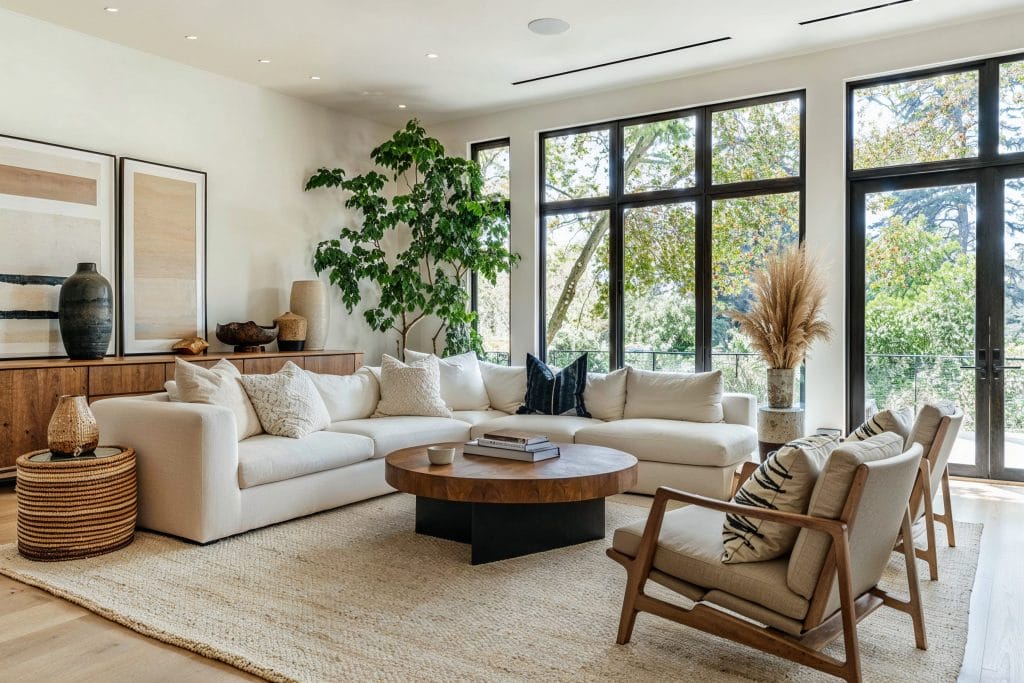
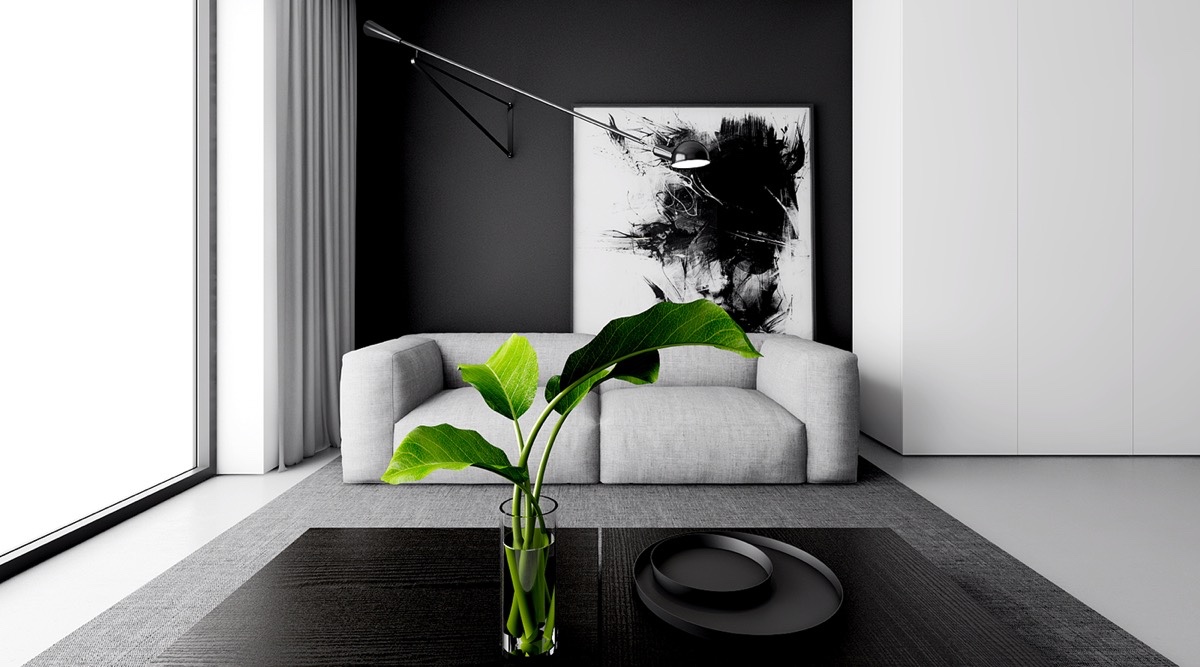

A restrained color palette is a hallmark of minimal design. Neutral tones like white, beige, grey, and warm wood shades create a calm foundation. Limiting colors helps maintain visual harmony and prevents distractions. Subtle contrasts within the same color family add depth without breaking the simplicity.
3. Choose Clean Lines and Simple Forms
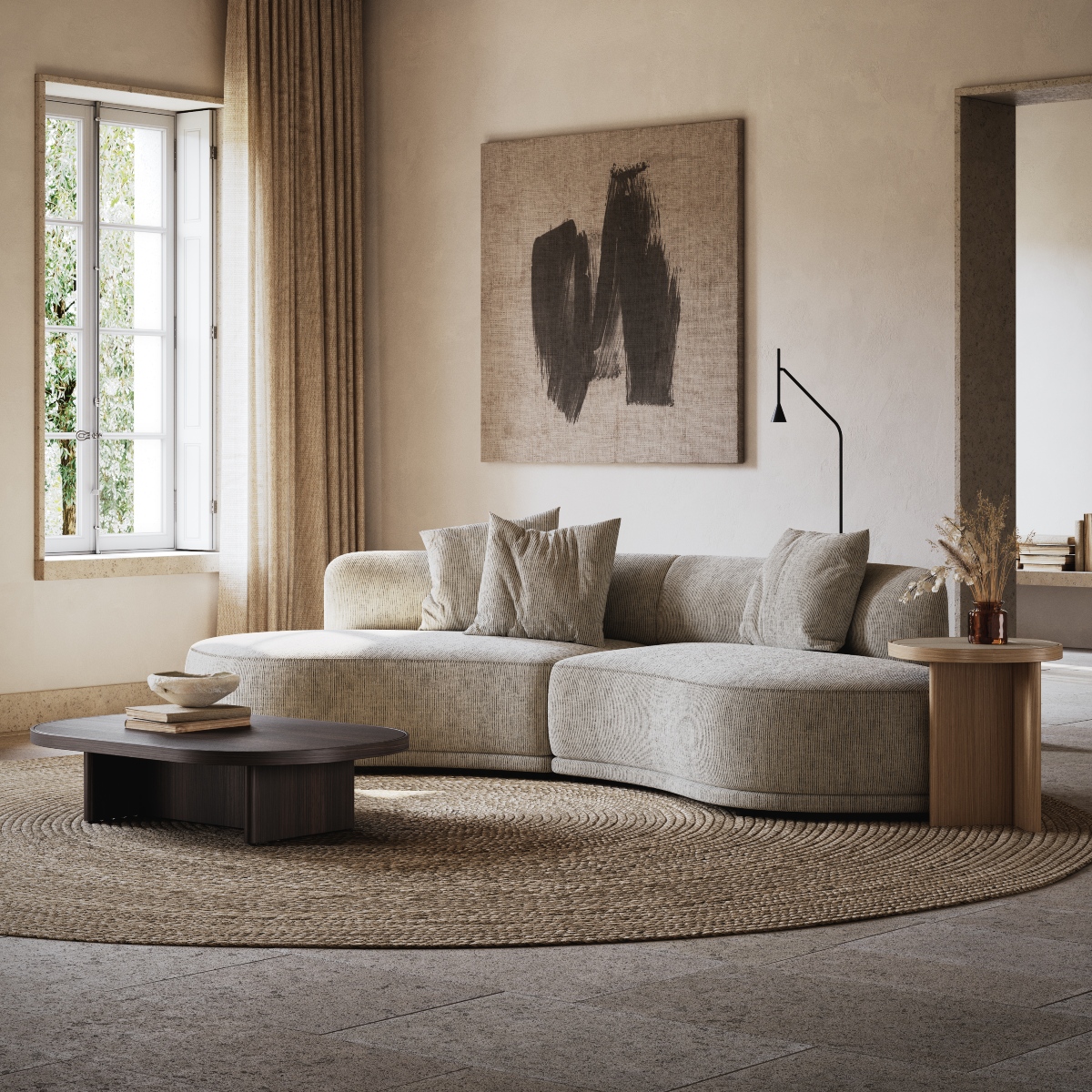

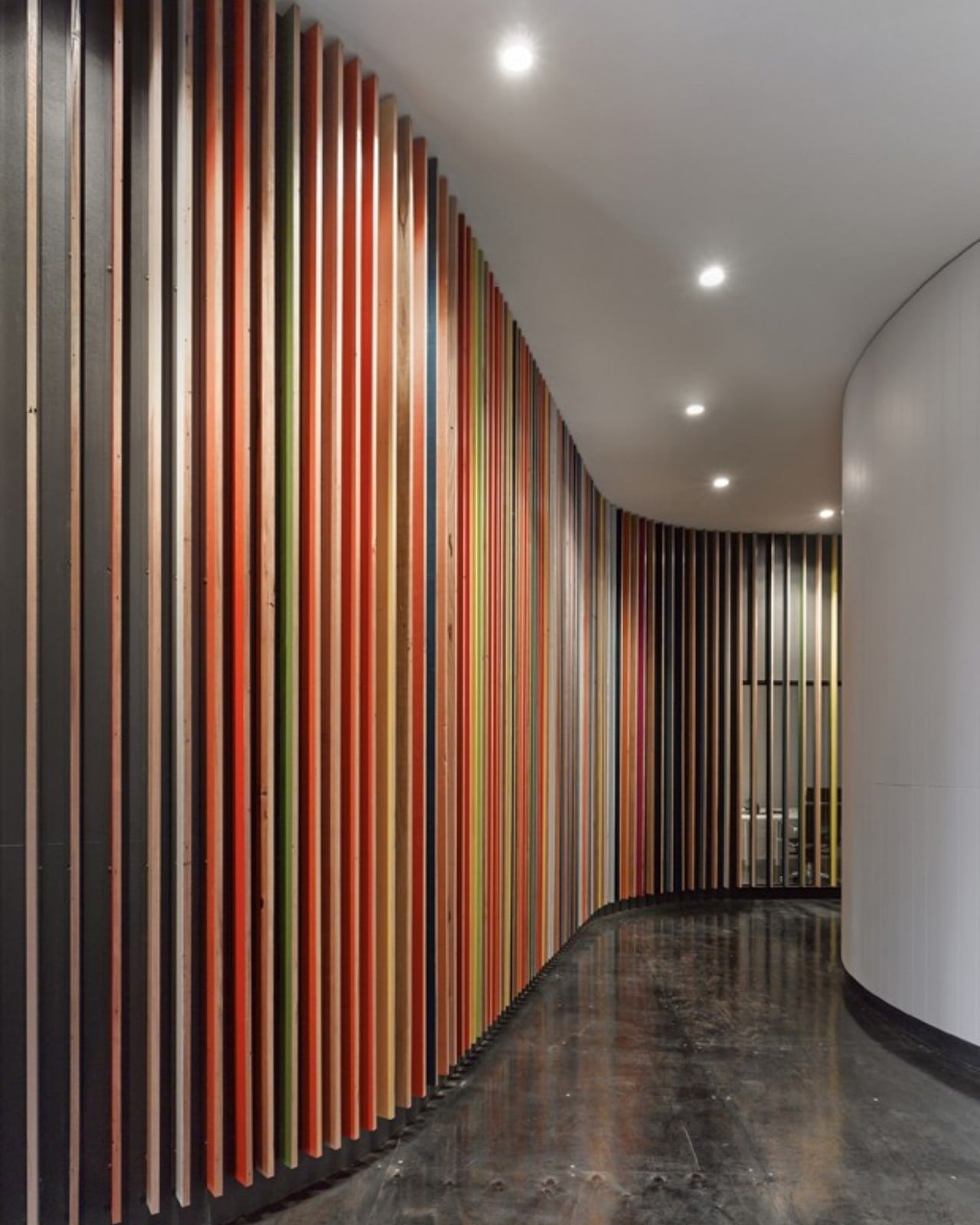
Minimal interiors rely on clean lines, smooth surfaces, and uncomplicated shapes. Furniture with straight edges and simple silhouettes keeps the space visually light. Avoid heavy ornamentation and complex patterns, as they interrupt the flow. Clean forms make rooms feel spacious and modern.
4. Use Smart Storage to Hide Clutter
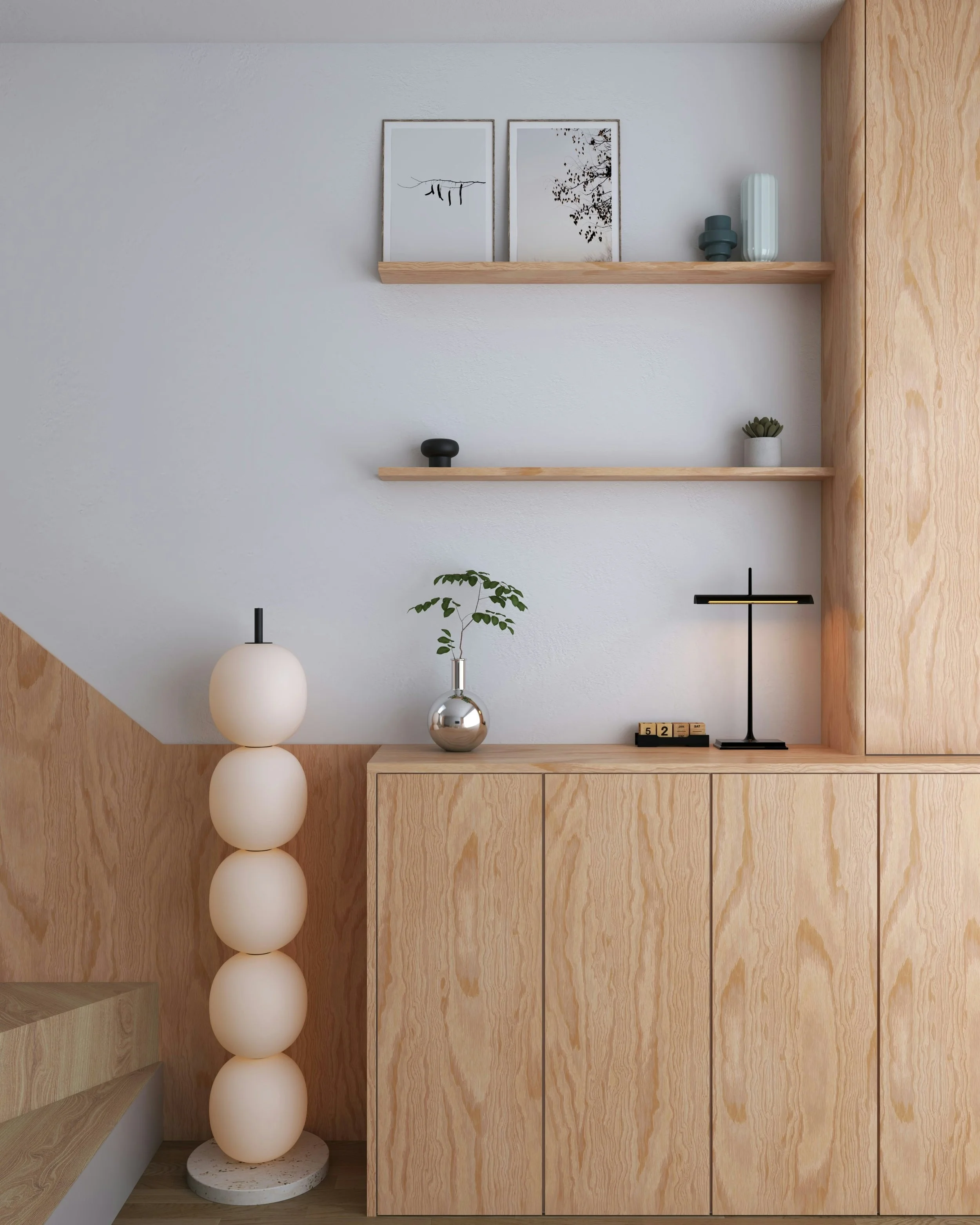


Clutter is the biggest enemy of minimal design. Built-in storage, modular cabinets, and concealed compartments help keep surfaces clear. When everyday items are hidden from view, the space feels calmer and more refined. Smart storage allows you to maintain simplicity without sacrificing functionality.
5. Let Materials and Lighting Do the Work

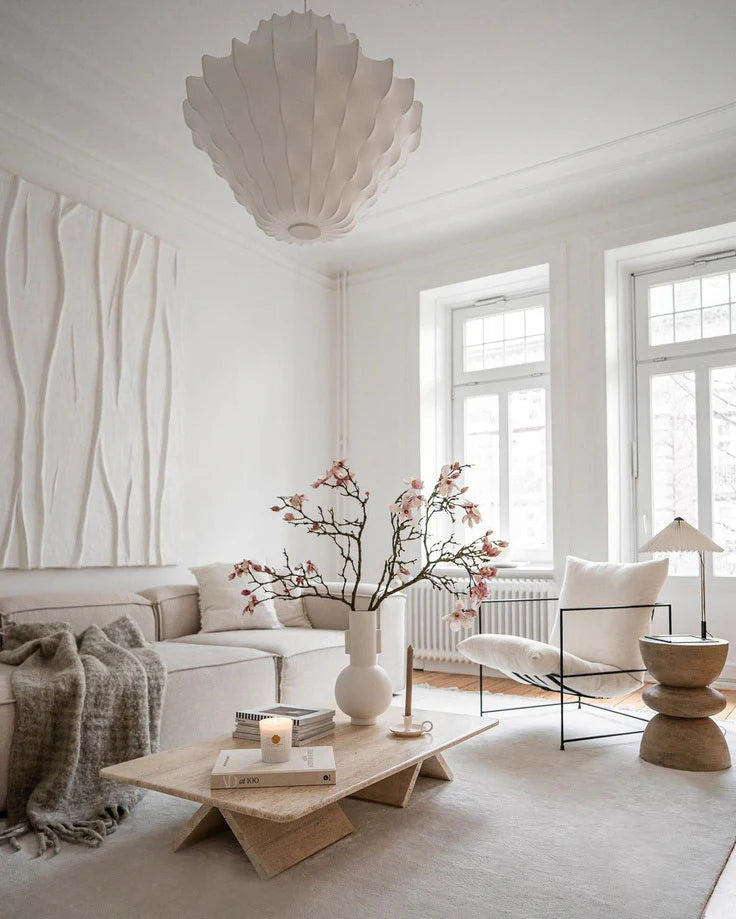
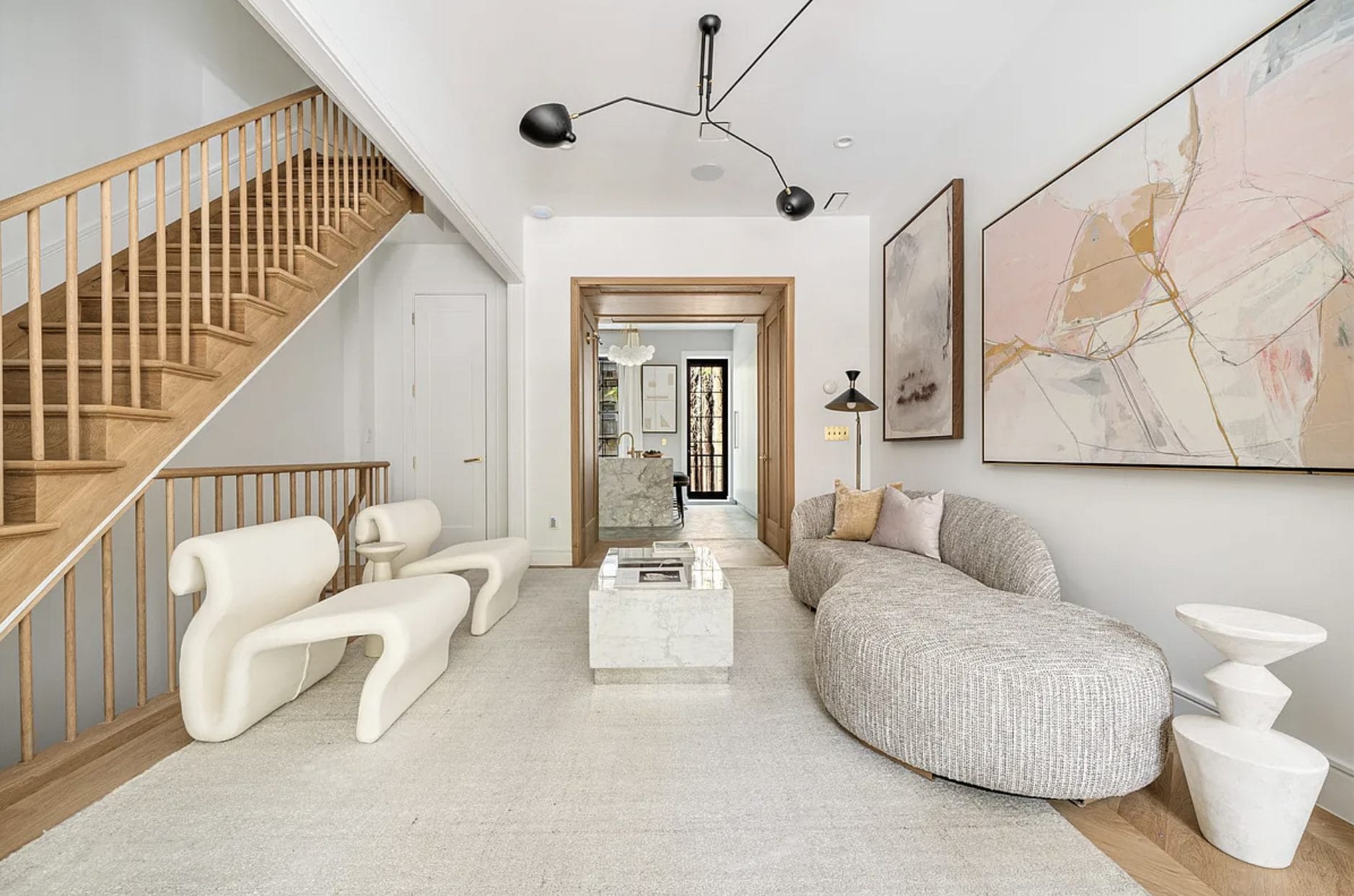
In minimal design, materials and lighting replace excessive décor. Natural finishes like wood, stone, and subtle textures add warmth and interest. Soft, well-planned lighting enhances mood and highlights architectural features. When lighting and materials are thoughtfully chosen, even the simplest spaces feel rich and inviting.
Conclusion
Pulling off simple, minimal design is about intentional choices, not emptiness. By focusing on function, limiting colors, choosing clean forms, hiding clutter, and relying on quality materials and lighting, you can create interiors that are elegant, calm, and timeless. Minimal design proves that less—when done right—truly is more.